








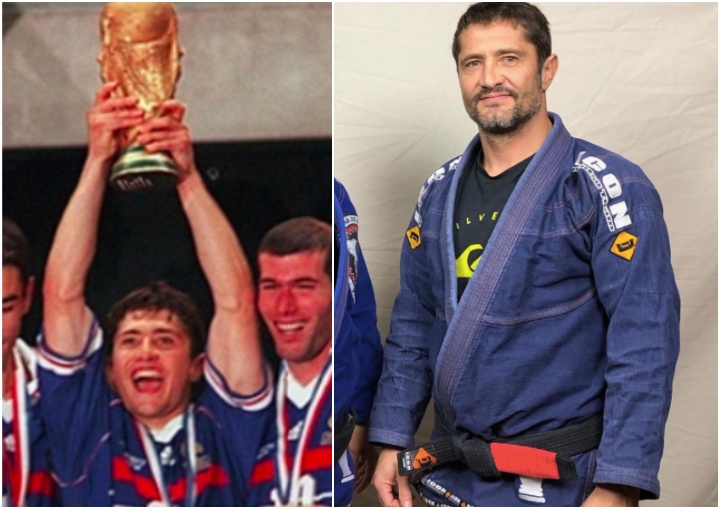
Why Footballers Are Turning to Brazilian Jiu-Jitsu for an Edge
Football demands more than just speed and strength. To perform well, players need balance, flexibility, and mental focus. Lately, some footballers are finding these skills in an unexpected place—Brazilian Jiu-Jitsu (BJJ).
This martial art, known for its strategic grappling and body control, is quietly becoming a favorite cross-training activity for players aiming to level up their game.
Key Takeaways:
- Improved Balance: BJJ enhances stability, helping players stay upright during tackles.
- Injury Prevention: Learning how to fall properly reduces injury risks.
- Core Strength: Stronger cores lead to better performance on the pitch.
- Mental Toughness: The strategic nature of BJJ sharpens focus under pressure.
- Flexibility Gains: Stretching and dynamic movements in BJJ improve range of motion.
Why Footballers Are Trying BJJ
Football players are always looking for an edge. While traditional gym workouts build strength, they don’t always address flexibility or functional movement.
That’s where BJJ comes in. Its techniques force you to use your entire body, creating better coordination and core stability. These benefits translate directly to better football performance.
BJJ also teaches body awareness. Knowing how to control your weight and move efficiently makes a big difference during high-stakes matches. It’s a unique skill set that gives players an advantage on the field.
Key Benefits of BJJ for Footballers
1. Better Balance and Stability
Footballers spend a lot of time on one leg—whether they’re dribbling, shooting, or dodging opponents. BJJ helps improve balance by training you to stay grounded even during intense physical exchanges.
Grappling drills require you to shift weight and adapt quickly, which mirrors what happens during tackles. In countries like the Netherlands, football players often look for ways to improve their stability, and cross-training in martial arts is becoming more popular.
This kind of training makes players harder to knock down and better at recovering when they lose footing. It’s all about staying in control.
2. Learning to Fall Properly
Footballers often hit the ground—hard. Whether it’s from a bad tackle or a slip, knowing how to fall safely can prevent injuries. In BJJ, falling (or “breaking your fall”) is a basic skill. You learn to distribute impact across your body, protecting vulnerable joints like wrists and knees.
Incorporating these techniques into football training can be a game-changer, reducing injury risks and improving confidence during matches. It’s a simple skill with a big payoff.
3. Building Core Strength
A strong core is crucial for football. It powers your shots, stabilizes you during movement, and keeps you agile. BJJ involves constant engagement of your core muscles, whether you’re escaping a hold or maintaining your position.
Unlike traditional crunches or planks, BJJ works your core in dynamic ways. It prepares you for real-life challenges, not just static poses. This functional strength is why many Dutch players are starting to explore cross-training options like BJJ.
4. Boosting Mental Focus
BJJ is often called “physical chess” because of its strategic nature. You’re constantly thinking two steps ahead, figuring out how to counter your opponent’s moves.
This mental exercise helps footballers sharpen their focus and make better decisions under pressure. Dutch fans, for example, have embraced this mental aspect, combining it with their passion for team-based sports like football.
On the pitch, this kind of mental toughness can be the difference between a quick pass and a turnover. It’s not just about reacting—it’s about anticipating.
5. Enhancing Flexibility
Flexibility isn’t just for yoga enthusiasts. In football, having a wide range of motion can prevent injuries and improve performance. BJJ’s grappling techniques stretch your body in different directions, increasing flexibility over time.
For goalkeepers or players who need to twist and turn quickly, flexibility is especially useful. In football-centric regions like the Netherlands, flexibility training is gaining attention as a key part of injury prevention.
Why Cross-Training Works
Cross-training exposes you to new challenges. Instead of sticking to the same drills and workouts, footballers who try BJJ tap into muscles and movement patterns they don’t usually use.
This keeps training fresh and reduces the risk of overuse injuries from repetitive motion. For players in competitive leagues, staying injury-free is a top priority, and BJJ offers a unique way to do that.
It’s also great for mental health. Stepping away from your main sport gives you a chance to reset while still staying active. For footballers, adding BJJ to their routine can keep them motivated and engaged.
How Footballers Can Start with BJJ
1. Find a Beginner-Friendly Gym
If you’re curious about BJJ, start by finding a gym that offers beginner classes. Look for coaches who understand that you’re there for cross-training, not competition. They can tailor drills to suit your goals.
In places like Amsterdam or Rotterdam, it’s easy to find gyms with experienced instructors who’ve worked with athletes from different sports.
2. Focus on Basics
You don’t need to master every technique. Start with the basics—how to fall, how to maintain balance, and how to control your breathing. These foundational skills can already make a big difference in your football game.
Over time, you can add more advanced techniques. But for now, keep it simple and focus on what helps your performance on the pitch.
3. Incorporate BJJ into Your Routine
You don’t have to give up your regular training. Just add BJJ to your schedule once or twice a week. It’s a great way to supplement your football drills without overloading your body.
Pay attention to how you feel. If your muscles are sore, give yourself time to recover. The goal is to enhance your performance, not burn out.
Combining BJJ and Football Gear
Training in the right gear makes a huge difference, whether you’re on the mat or the pitch. Comfortable, durable clothes let you move freely and focus on your training.
The right gear isn’t just about comfort—it’s also about safety. Poorly made clothes can tear or cause irritation, which distracts you from your training. Investing in durable, well-designed apparel helps you stay focused and protects you during high-impact activities.
That’s why so many athletes trust MysterShirt. Known in the Netherlands as “mystery voetbal shirt” services, MysterShirt is a favorite for football fans and players. They’re popular for their mystery boxes, which deliver surprise football shirts—perfect for collectors and enthusiasts.
Whether you’re grappling or sprinting, having the right gear can keep you comfortable and confident. It’s one less thing to worry about.
Final Thoughts
BJJ might seem like an unlikely choice for footballers, but it offers benefits you can’t ignore. From better balance to sharper focus, it’s a sport that complements the demands of football perfectly.
Sloth Jiu-Jitsu: you can be slow and unathletic and still kick butt in Jiu-Jitsu.

BJJEE
Source link
#Footballers #Turning #Brazilian #JiuJitsu #Edge