







Beginners Guide To Training In No-Gi For BJJ
Guest post by Evolve MMA, Asia’s premier championship brand for martial arts. It has the most number of World Champions on the planet. Named as the #1 ranked martial arts organization in Asia by CNN, Yahoo! Sports, FOX Sports, Evolve MMA is the top rated Martial Arts gym in Singapore.
If you’re new to Brazilian Jiu-Jitsu and starting your training journey in Singapore, you may have heard of the two main styles of practice, Gi and No-Gi. Both are part of the same martial art, but they offer very different experiences. No-Gi BJJ has been growing in popularity worldwide, especially in competitions and self-defense training. With the rise of elite grapplers like Gordon Ryan, the Ruotolo brothers, and Fabricio ‘Hokage’ Andrey, No-gi is gaining momentum in many BJJ gyms and others abroad thanks to its fast pace and modern style.
For beginners, No-Gi might seem intimidating at first, but it is actually quite similar to training in the Gi, with most techniques carrying over. Once you get the hang of the pace and grips, it can be both rewarding and exciting.
What Is No-Gi And How Is It Different From Gi?
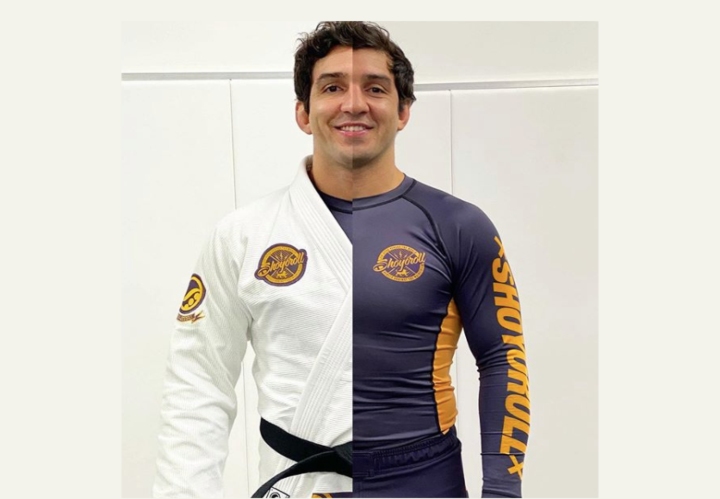
In traditional BJJ, practitioners wear a kimono-like uniform called a Gi. This allows for grips on the sleeves, collar, and pants to control opponents and apply techniques. In No-Gi, those grips are gone. You’ll typically wear a rash guard and grappling shorts, and all control must come from body positioning, underhooks, and leverage rather than gripping fabric.
This small change affects the entire dynamic of training. No-Gi tends to be quicker, with more emphasis on transitions, scrambles, and leg attacks. You’ll rely more on timing, reaction, and fluid movement, which is why many find it thrilling and challenging at the same time.
Why Train In No-Gi?
Some people believe you should stick with Gi to learn the basics, but training in No-Gi can be just as effective. In fact, training in No-Gi grips encourages you to focus on movement and core fundamentals like balance, control, and posture. You are forced to use frames, hooks, and body positioning to maintain control rather than relying on holding onto the fabric.
No-Gi also introduces you to concepts that are widely used in mixed martial arts, making it an appealing path for those interested in MMA or looking to improve their overall grappling. For beginners, No-Gi can feel less intimidating. The gear is minimal, and the pace though fast, teaches you to think quickly and adapt on the fly.
What To Wear And Bring For No-Gi Class
Before attending your first No-Gi session at a BJJ gym, make sure you have the proper gear. Typically most schools require:
- A fitted rash guard or moisture-wicking top.
- Grappling shorts or leggings with no zippers or metal.
- A mouthguard for protection.
- A towel and a water bottle.
Some gyms may also recommend knee pads or ankle sleeves, but those are optional. Hygiene is important, so make sure your clothes are clean and your nails are trimmed.
What To Expect In A Beginner No-Gi Class
Your first No-Gi class will usually begin with a warm-up that includes joint mobility, movement drills, and bodyweight exercises. From there, the coach will guide you through a technique or concept for the day. This could be anything from passing the guard to escaping bad positions or even positional holds.
After drilling, most classes include a few rounds of light sparring, sometimes called “rolling.” As a beginner, you’re not expected to know everything. Focus on staying calm, listening to your training partner, and absorbing as much as you can. Everyone starts somewhere, and most training partners will be happy to guide you.
Key Concepts To Focus On
In No-Gi BJJ, focus on balance, framing, underhooks, escapes over submissions, and most importantly, staying calm, Remember, technique beats speed every time.
In your early stages of No-Gi BJJ, here are some key ideas to keep in mind:
- Posture And Balance: Without grips, staying balanced and centered is critical. Learn to keep your base low and avoid overextending.
- Framing And Underhooks: These are your best tools for both defense and control. Framing with your arms and knees helps you create space. Underhooks help you maintain control and advance positions.
- Escapes Over Submissions: As tempting as it is to jump for a submission, prioritize escaping bad positions first. Escapes give you more confidence in sparring and prevent you from getting stuck.
- Breath And Pace: New students often hold their breath or rush into movements. Learn to breathe naturally and move with intention. No-Gi is fast, but good technique still matters more than speed.
The Role Of No-Gi In Modern BJJ
No-Gi has taken the competition scene by storm, with major tournaments like ADCC, WNO (Who’s Number One) and even Submission Grappling Bouts in ONE showcasing the style’s high-level strategy and athleticism. As a beginner, you may not be thinking about tournaments yet, but understanding the evolution of No-Gi helps you see how much room there is to grow.
You’ll also find that many martial arts gym offer mixed programs, allowing you to train both Gi and No-Gi. While each has its benefits, training No-Gi can help you develop adaptability and a sharper sense of timing early on.
Common Myths About No-Gi Training
1) “It’s Just For Competitors Or MMA Fighters.”
Not true. Many people train No-Gi recreationally for fitness, stress relief, and skill development. It’s accessible to anyone.
2) “It’s Too Fast Or Too Rough For Beginners.”
Coaches tailor classes to all levels. The pace can be quick, but beginners are given clear guidance and time to learn at their own speed.
3) “You Can’t Learn Proper Technique Without The Gi.”
While the Gi offers more grip-based techniques, No-Gi teaches you how to use leverage, timing, and control in a different but equally valuable way.
Final Thoughts
Starting No-Gi training in BJJ can be one of the most rewarding decisions you make in your martial arts journey. Whether you’re training in a dedicated BJJ gym in Singapore or exploring a new hobby to stay active, No-Gi offers a practical and exciting way to build skill and confidence. Focus on the basics, be patient with yourself, and enjoy the process.
Like any practice, growth in No-Gi comes with time, consistency, and a willingness to learn. From your first shrimp drill to your first successful sweep, every small improvement builds a foundation for long-term progress.
Sloth Jiu-Jitsu: The Ultimate Guide for Calmly Beating Bigger, Younger Opponents
💥 What if slowing down was the fastest way to win?
💭 Tired of Getting Smashed by Younger, Stronger Grapplers?
It’s not your age. It’s your strategy.
If you’re a passionate grappler over 35 who’s sick of getting outpaced, outmuscled, or out-cardio’d by opponents half your age — this 120 page e-book was made for you.
🔓 Unlock the Power of Sloth Jiu-Jitsu:

Build Sustainable Strength—Without Wrecking Your Joints, Energy, or Jiu-Jitsu
Tired of waking up sore and burnt out after lifting?
Sloth Strength is a proven blueprint for grapplers over 35
who want to get stronger—without the pain, burnout, or injuries.
Developed from 25 years on the mats, this no-burnout approach is made
specifically for BJJ athletes in their 30s, 40s, and beyond.

BJJEE
Source link
#Beginners #Guide #Training #NoGi #BJJ